Room to Breathe: Austin Artists Designing for the Lives Around the Work
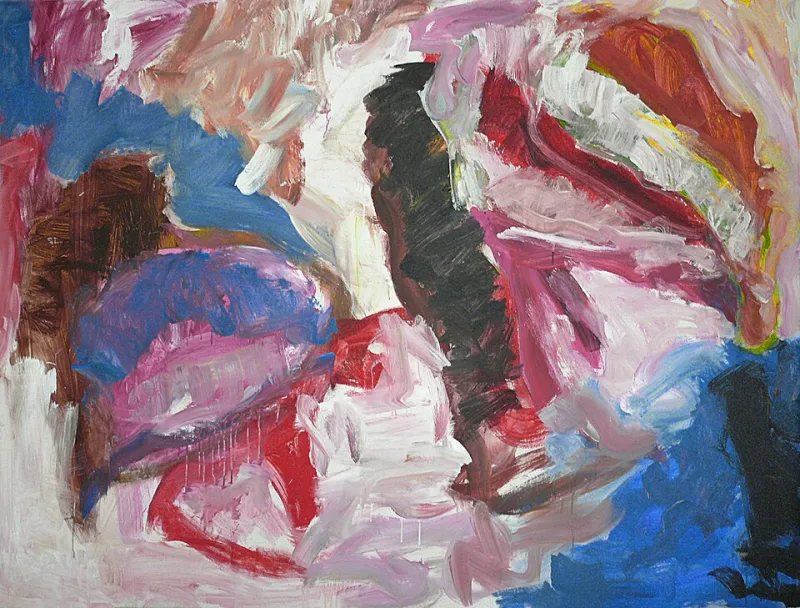
Photo: Fons Heijnsbroek, CC0, via Wikimedia Commons
A painting can be perfect in a gallery and impossible in a home. The scale is wrong, the light is wrong, the ceiling is too low, or the wall is the one place a door has to open. In Austin, a growing number of artists are designing with those realities in mind from the beginning. Rather than treating the white cube as the default destination, they are asking how a work will live in an actual room, with actual furniture, actual windows, and actual people moving through it.
The White Cube Is Not a Living Room
Gallery walls are neutral, uninterrupted, and often taller than anything in a residence. Homes are different. They have soffits, switches, outlets, ceiling fans, pets, children, and furniture that does not move for years. A work that looks commanding in a cavernous gallery can feel aggressive above a sofa. A work that seems modest in a studio can become the anchor of a dining room. Austin artists are learning to see both contexts at once, and collectors are beginning to expect that flexibility.
Scale Is a Spatial Contract
Scale is not only about size. It is about viewing distance, wall width, ceiling height, and the amount of visual rest a room can absorb. An eight-foot ceiling imposes different limits than a seventeen-foot living room. A narrow hallway rewards a vertical work; a long wall may need a sequence rather than a single statement. Some Austin artists now offer modular works, diptychs, and installable components that can be arranged to fit a specific wall. Others ask for photographs and measurements before beginning a commission. The result is a spatial contract: the work agrees to live where it will hang.
Light, Heat, and Humidity
Texas light is generous and unforgiving. West-facing windows can bleach a surface; humidity can affect works on paper; heat can stress certain materials. Artists are responding with recommendations about glazing, UV protection, placement, and framing. Some are designing works that can tolerate indirect light rather than demanding museum conditions. This is not a compromise of artistic intent. It is an acknowledgment that a private residence is a real environment, and that conservation begins with the first decision about where a work will hang.
Installation Is Part of the Work
A work is not complete until it is safely on the wall. Austin artists are increasingly providing installation guides, hardware specifications, weight information, and site visits for larger pieces. They are thinking about stud placement, anchoring, access, and the awkward geometry of stairwells. For collectors, this professionalism is reassuring. For interior designers, it is a shared language. The artist understands the concept; the designer understands the room. Early collaboration can prevent costly mistakes and produce a better result for everyone.
A Shared Vocabulary
The conversation between artists, collectors, and interior designers is becoming more structured. Designers bring knowledge of traffic flow, color temperature, and furniture scale. Artists bring knowledge of material behavior and visual weight. Collectors bring the lived reality of the home. When those perspectives meet before a commission begins, the work has a better chance of feeling inevitable rather than imposed. The goal is not to make art that matches a sofa. It is to make art that belongs in a life.
Designing for the Room, Not the Photograph
Social media rewards dramatic images. A work photographed against a blank wall can look spectacular and still fail in a real room. Austin artists are pushing back by testing scale in situ, asking for floor plans, and designing for the long view rather than the first click. A work measured for living is not a compromised work. It is a work completed by its context. In a city of varied architecture and strong light, that context is part of the art.