The Signature Is Not a Sentence: Austin Artists on Building a Brand Without Becoming One
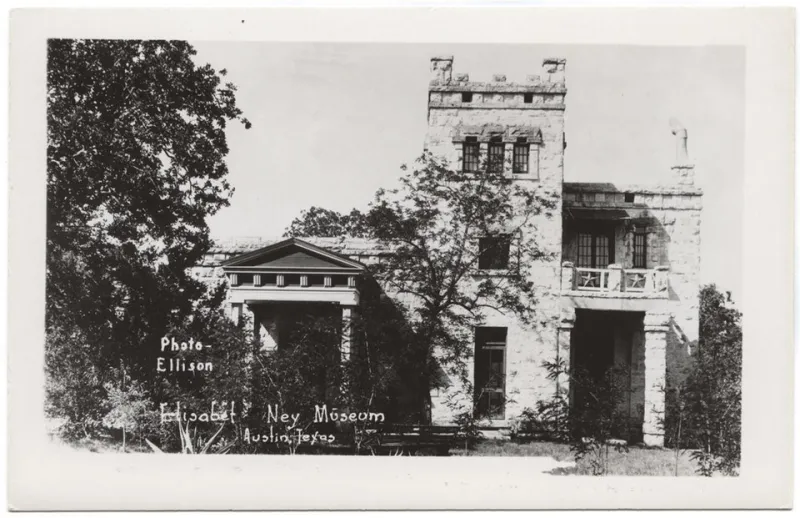
Photo: SMU Central University Libraries, No restrictions, via Wikimedia Commons
Recognizability is not the same thing as repetition, but the market often treats them as siblings. In Austin, where studios sit close to collectors, curators, and a steady churn of visitors, artists are under real pressure to make work that can be identified from across a room. A palette, a material, a recurring form—these are not compromises in themselves. They are how a practice becomes legible. The trouble begins when legibility hardens into a formula, and the artist becomes the custodian of a look rather than the author of an inquiry.
The Market Loves a Shortcut
Collectors buy with limited time and incomplete information. A signature style offers a shortcut: it signals continuity, gives a room a coherent focal point, and makes a studio visit easier to narrate. Dealers and consultants are not wrong to notice this. A body of work that holds together is easier to place, photograph, and remember. Austin's collectors, many of whom are building collections for the first time, often rely on that coherence to feel confident.
But confidence is not the same as understanding. When a signature becomes the primary product, the artist's development can become a kind of customer service problem. Every deviation requires an explanation. Every new direction reads as risk. The work may still be well made, but the studio can start to feel like a production line with a recognizable finish.
When a Style Becomes a Script
Several Austin painters describe a version of this pressure. One artist who has built a following around densely layered color fields said the hardest part is not making another painting in the series. It is deciding when the series has stopped asking questions. 'If I can predict the next move before I make it, that is not a signature,' she said. 'That is a habit.'
Sculptors face a different version. A material vocabulary—welded steel, cast resin, reclaimed timber—can become a calling card. It can also become a trap when fabricators, installers, and collectors begin to expect the same physical language. Installation artists, whose work is often tied to a particular room or moment, may find that documentation itself becomes the signature: the same camera angle, the same dramatic lighting, the same cropped detail.
None of this means artists should abandon consistency. A professional practice needs recognizable through-lines. It needs reliable communication, clear editions, honest condition reports, and a studio workflow that can survive deadlines. The distinction is between a brand built on reputation and a brand built on replication.
The Studio Behind the Signature
A useful test is to look past the finished object. What is the studio actually doing? Are there material tests, failed maquettes, unresolved questions, notebooks with dead ends? Does the artist speak about the work in terms of problems or in terms of product? A signature style can be a doorway into that activity, or it can be a screen that hides it.
Austin's art schools, fabricators, and peer networks have made it easier for artists to experiment without disappearing from the market. Limited editions, works on paper, and smaller studies can carry a practice through a transition. So can a deliberate exhibition schedule: one show for the established language, another for the work that does not yet have a name. Collectors who pay attention to these smaller signals often get the clearest view of where a practice is going.
What Reinvention Costs
Reinvention is not free. Artists who shift their work may lose collectors who bought the earlier language. They may hear that the new work is 'not them'—as if a practice were a fixed personality rather than a record of attention. Galleries may hesitate. Grant panels may need context. The artists who manage this best tend to be explicit about the through-line: what remains constant even when the surfaces change. Curiosity, structure, a concern with light, a commitment to salvaged material—these can hold a practice together without dictating its next form.
The alternative is a slower erosion. An artist keeps making the signature because it sells, and the work becomes competent, repeatable, and increasingly quiet. The market may not notice for a season or two. The studio notices.
What Collectors Can Learn to See
For collectors, the practical question is not whether a work is recognizable. It is whether the recognition rewards a second look. Does the signature move open onto something—a process, a material argument, a way of seeing—or does it close the conversation? Ask about the failures. Ask what the artist is reading, testing, or trying to unlearn. Ask whether the work in front of you is the most resolved version of an idea or the safest version of one.
Austin's art scene is small enough that collectors can build real relationships with artists over time. That is an advantage. It allows them to watch a practice develop rather than consume a finished brand. It also puts pressure on artists to be honest about where they are. A brand can be a useful professional tool. It becomes a trap when it answers every question before the work has a chance to ask one.
The artists worth following in Austin are not the ones with the most consistent look. They are the ones whose consistency lives somewhere deeper—in the quality of attention, the willingness to revise, and the nerve to let a signature remain a sentence rather than a verdict.