The Studio Behind the Studio: Austin's Local Supply Chain, Mapped
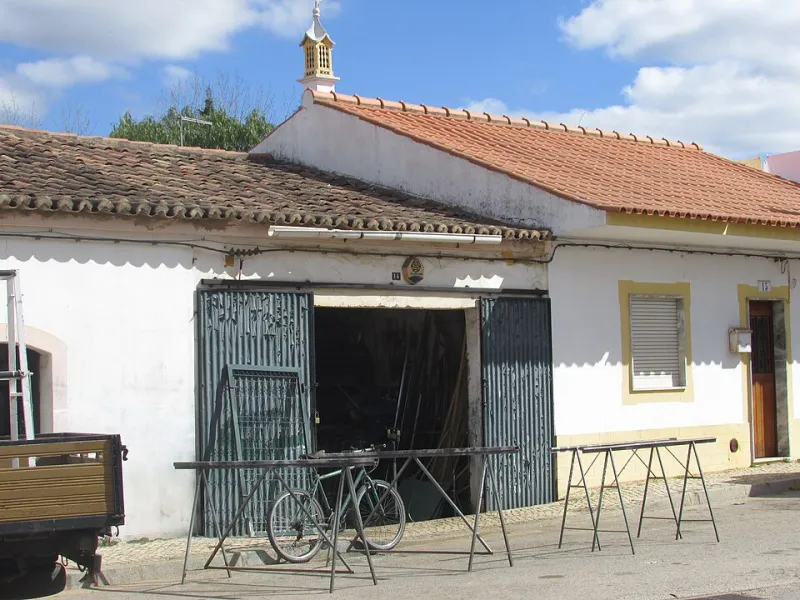
Photo: Kolforn (Kolforn) I'd appreciate if you could mail me ([email protected]) if you want to use this picture out of the Wikimedia project scope. This file is licensed under the Creative Commons Attribution-Share Alike 4.0 International license. Yo
Every finished work has a hidden production line. Behind the studio door is a network of suppliers, printers, fabricators, framers, craters, and installers who shape what gets made and when. In Austin, that network is small enough to know by name and varied enough to support very different practices. What follows is a practical map of the local supply chain, with notes on how those relationships affect pricing, timelines, and the work itself.
Why the Supply Chain Is Part of the Practice
Artists often talk about materials as if they arrive by magic. They do not. A canvas is stretched on bars cut by someone. A metal sculpture is welded with gas from a supplier. A print is proofed on paper that may be out of stock. The local supply chain is not administrative background; it is a set of constraints and possibilities that can push a body of work in one direction or another. Austin's advantage is proximity. Its challenge is scale: the city has specialists, but not unlimited capacity.
1. The Art Supply Counter
For many Austin artists, the day begins at a counter. Asel Art Supply and Jerry's Artarama are the most visible retail anchors, carrying everything from canvas and panel to pigments, brushes, and drafting supplies. The relationship matters most when a project requires a bulk order or a material that is not on the shelf. Artists who introduce themselves, ask about restock schedules, and place orders early tend to avoid the quiet panic of a deadline without the right ground.
Practical advice: keep a running materials list, confirm current stock before promising a delivery date, and ask whether a special order can be combined with a larger shipment. Small savings add up over a year.
2. The Print and Blueprint Shop
Printing is where documentation, reproduction, and fabrication overlap. Miller Blueprint and other Austin print shops handle large-format output, plan printing, and specialty substrates. For artists, the relevant services may include exhibition graphics, limited-edition prints, or working drawings for a fabricator. The key variable is proofing. A screen proof is not a final print. Artists should ask for a physical proof on the actual paper or substrate, especially when color is central to the work.
Timelines tighten near openings. Build in at least a week for proofing and reprints, and provide files in the shop's preferred format. A print shop is not the place to discover that a file was built in the wrong color space.
3. The Metal Shop and Fabricator
Austin has a deep bench of metal fabricators, from small job shops to design-build studios such as Drophouse Design. For sculptors, the fabricator is often a collaborator. The artist brings a drawing or maquette; the shop brings knowledge of weldability, tolerance, finishing, and safe assembly. The best relationships begin before the deadline, with a conversation about what the work needs to do and what the shop can realistically deliver.
Practical advice: provide shop drawings with dimensions and tolerances. Decide on finish before fabrication, not after. Ask how the work will be transported and whether the shop can build a crate or lifting points into the design. Pickup and delivery can change the budget as much as the fabrication itself.
4. The Frame Maker
Framing is not neutral. A frame can protect a work, change its color relationships, and signal its value. Austin's independent frame shops serve artists who need conservation materials, custom sizes, and short runs. For painters and photographers, the frame is often the last decision and the first thing a collector sees.
Ask about conservation glass, mat board, and backing before comparing prices. A cheaper frame that off-gasses or fails at the corners is not a saving. For editions, consider batch orders and standardized sizes. Consistency in framing can make a booth or an open studio feel more professional, and it can reduce per-piece costs over time.
5. The Crater, Installer, and Art Handler
Work has to move. Austin's art handling and installation services provide crating, local transport, and install support for galleries, collectors, and artists. For large or fragile work, a professional crate is not an expense to defer. It is insurance with corners.
Book early. Opening-week schedules fill up, and a missed pickup can delay a show. Confirm insurance, access requirements, and whether the quote includes stairs, elevators, or after-hours labor. Artists who install their own work should still learn the basics of safe handling and keep a simple toolkit.
6. The Documentation Photographer
Strictly speaking, the photographer is not a supplier. In practice, they are part of the chain. A good documentation photographer turns a finished installation into a usable record for grants, press, and collectors. Austin artists increasingly book documentation before the work is complete, with a shot list that includes wide views, details, and video if needed.
Practical advice: schedule documentation during the install or early in the run, not at the closing. Provide a checklist and a floor plan. Ask for files in both web and print resolutions. The cost is easier to justify when it is built into the project budget from the beginning.
Building a Reliable Chain
The artists who manage their supply chain well tend to follow a few habits. They keep two contacts for every critical service. They get quotes in writing. They build lead times into their calendars and communicate changes early. They pay deposits on time and pick up finished work promptly. None of this is glamorous, but it is the infrastructure behind a professional practice.
Austin's creative community is generous with referrals. Ask other artists who they use for metal, framing, or crating. The answer will vary by discipline, scale, and budget, but the relationships are often the same: trust, clear communication, and a shared understanding of what the work needs.
The studio may be where the art happens, but the supply chain is where it survives. In a city growing as quickly as Austin, knowing the local network is not just good business. It is a way of keeping the work in motion.