The Displaced Studio: How Austin's Visual Artists Are Reinventing Where Creativity Lives
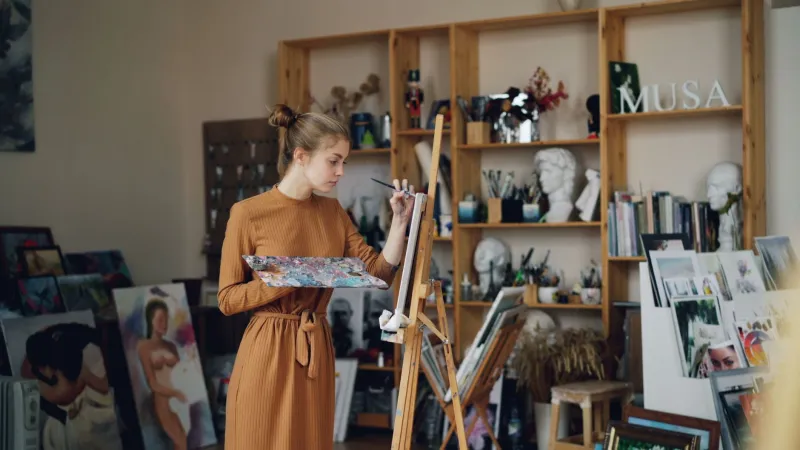
For decades, the romantic image of the Austin artist has been inseparable from a particular kind of space—a cavernous warehouse near the train tracks, walls stained with decades of pigment, afternoon light cutting through industrial windows. That image is not yet extinct, but it is becoming increasingly rare. The forces reshaping Austin's commercial real estate market have arrived at the studio door, and the city's visual artists are adapting in ways both pragmatic and philosophically significant.
The Numbers Behind the Displacement
Commercial lease rates in Austin's historically affordable creative corridors—East 6th Street, the area around South Congress, the Rundberg district—have risen sharply over the past several years, mirroring the broader pressures that have reshaped the city's residential landscape. According to local real estate observers, per-square-foot costs in neighborhoods that once served as de facto artist districts have increased by as much as 40 to 60 percent since 2019. For a visual artist requiring 800 to 1,200 square feet of dedicated workspace—a modest but functional footprint for someone working in large-format painting or sculptural installation—those figures translate into monthly expenses that can exceed what many artists earn from their practice in a given quarter.
The result is a quiet dispersal. Artists who once occupied ground-floor commercial units or older warehouse bays are making different calculations, weighing the professional legitimacy of a dedicated studio against the financial strain of maintaining one.
Collectives as Survival Strategy
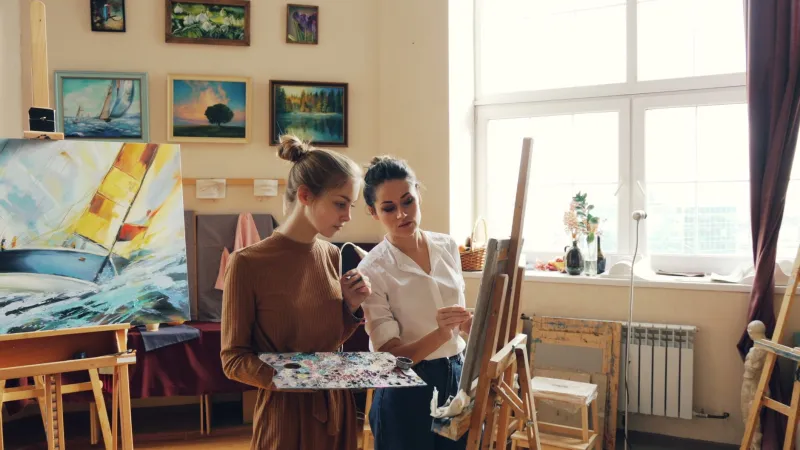
One of the most visible responses to this pressure has been the proliferation of shared studio collectives. Rather than individual leases, groups of artists are pooling resources to occupy larger spaces and divide costs, creating environments that function simultaneously as workspaces, informal galleries, and community hubs.
These arrangements carry genuine appeal beyond mere affordability. Artists working within collectives frequently describe an accelerated creative exchange—the proximity of peers working across different media and disciplines introduces productive friction that isolated studio practice rarely generates. Critique happens informally and continuously. Materials and tools are shared. The collective itself becomes a kind of creative infrastructure.
The trade-offs, however, are real. Shared space means negotiated schedules, divided storage, and the persistent challenge of maintaining concentration in environments that are, by design, communal. For artists whose practice requires extended periods of uninterrupted focus—those working in technically demanding media such as encaustic, resin, or large-scale textile work—the collective model can introduce genuine friction of a less productive variety.
The Home Studio Question
Perhaps the most significant shift underway is the quiet normalization of home-based studio practice among artists who, in an earlier moment, would have viewed such an arrangement as a concession. The pandemic years accelerated this transition, demonstrating to many that serious work could be produced outside dedicated commercial space. What emerged from that period, for some, was not a temporary accommodation but a permanent reorientation.
Working from home offers obvious financial relief, but it also introduces a set of professional and psychological complications that artists navigate with varying degrees of success. The absence of physical separation between living and working space can erode the psychological boundaries that many artists rely upon to sustain disciplined practice. There are also practical limitations: zoning restrictions in many Austin neighborhoods constrain what activities can be conducted in residential properties, and the inability to receive clients, collectors, or press in a professional environment can affect market positioning in ways that are difficult to quantify but nonetheless consequential.
For emerging artists without established gallery relationships, the home studio can quietly reinforce a perception of impermanence—a perception that can be difficult to counteract through work alone.
Pop-Up Venues and the Temporary Studio
A third model has gained traction in Austin's creative community: the deliberately temporary studio or exhibition space, occupying vacant commercial properties on short-term agreements. Property owners with unleased inventory have, in some cases, been receptive to arrangements that generate modest income while maintaining an active presence in a space. For artists, these arrangements offer access to large, professionally configured environments without long-term financial commitment.
The limitations of this model are structural. Artists working in pop-up venues cannot invest meaningfully in the physical space, cannot rely on continuity of location, and must maintain a kind of perpetual readiness to relocate. For certain practices—particularly those oriented toward installation, performance, or site-responsive work—this impermanence is artistically generative. For others, it introduces a logistical burden that consumes creative energy.
What Location Says About the Work
Beyond the practical dimensions of this displacement, there is a subtler question worth examining: how does studio environment shape the nature of artistic production itself? The spaces in which artists work are not neutral containers. They influence scale, material choice, the pace and rhythm of practice, and the degree to which an artist feels embedded in or isolated from the broader creative community.
An artist working in a shared collective in East Austin is exposed to different stimuli, different conversations, and different market signals than one working in a converted garage in North Loop or a spare bedroom in South Austin. These environmental differences accumulate over time, leaving traces in the work itself—in the ambition of scale, the choice of subject matter, the willingness to take formal risks.
For Austin's visual art community, the studio question is therefore not merely a real estate question. It is a question about what kind of art the city will continue to produce, and who will be positioned to produce it. As the economics of creative space grow more demanding, the artists who find sustainable solutions—whether through collective organization, adaptive use of residential space, or creative exploitation of temporary opportunities—will shape the next chapter of Austin's contemporary visual culture.
The displaced studio is not, in the end, simply a story of loss. It is a story of reinvention, conducted under financial pressure but animated by the same creative resourcefulness that has always defined Austin's artistic community at its most resilient.