Hidden in Plain Sight: The Unsung Studios That Built Austin's Creative Soul
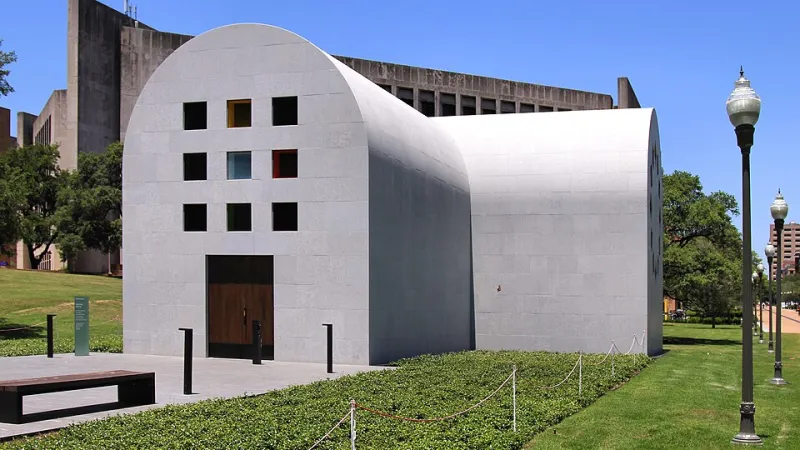
Photo: Larry D. Moore, CC BY 4.0, via Wikimedia Commons
Austin's art scene didn't grow up in galleries with velvet ropes and press releases. It took root in scrappy back rooms, repurposed warehouses, and sun-baked East Side storefronts that most people drive past without a second glance. We went looking for five of those places — and the artists who swear by them.
If you ask most people where Austin's creative energy lives, they'll name the big stuff: South Congress, the Domain, maybe a mural trail downtown. But the artists who've actually shaped this city's identity tend to point somewhere else entirely. They point to a specific smell of turpentine mixed with breakfast tacos. A particular slant of afternoon light through a cracked warehouse window. A hallway where three different musicians, two painters, and a ceramicist all share a single bathroom and somehow make it work.
These are the spaces that don't make the tourism brochures. And that's exactly why they matter.
1. The East 11th Street Collective (East Austin)
Drive down East 11th on a Tuesday afternoon and you might catch the faint thump of music leaking out of a converted duplex that's been quietly housing rotating artists for the better part of a decade. Nobody put a sign out front on purpose. The artists here — a loose collective of painters, printmakers, and the occasional installation artist passing through — figured anonymity was better protection than any lease clause.
"When you don't have people showing up to perform for, you actually make the work you meant to make," says one longtime resident painter who asked to stay nameless. "This place gave me two years of zero pressure. I came out the other side with the best body of work of my life."
The space operates on a handshake economy. You contribute to the supply fund, you help paint the walls when they need it, you show up for each other's openings. It's not precious. It's functional. And somehow, that lack of preciousness is exactly what makes it fertile ground.
2. The Govalle Print Shop
Tucked behind a fencing company in the Govalle neighborhood, this printmaking studio has been operating as a semi-open resource for Austin artists since the mid-2000s. The equipment is old. The ventilation is questionable. The community is fiercely loyal.
"I learned more about my own artistic voice in that print shop than I did in four years of art school," says one muralist who got her start pulling prints here before her work started appearing on building facades across the city. "Something about the slowness of the process — you can't rush a lithograph — forces you to be intentional. Every decision matters."
The shop runs on a membership model that's deliberately kept affordable, because the founders made a decision early on that access matters more than exclusivity. That philosophy has paid off in a community that spans generations and disciplines.
3. South Lamar's "The Corridor" (A Building, Not a Brand)
There's a particular block on South Lamar that locals in the know have been calling "the corridor" for years, even though nobody who works there would ever use that term out loud. It's a stretch of adjoining commercial spaces that have quietly housed photographers, graphic designers, textile artists, and at least one very successful custom furniture maker — often in overlapping, informal arrangements that wouldn't survive a strict reading of their leases.
What makes it work is proximity. You borrow a heat gun from the furniture guy, he borrows your projector for a client presentation, the photographer down the hall shoots your portfolio for a trade. Nobody invoices anybody. The whole thing runs on creative goodwill and the shared understanding that a rising tide lifts all boats.
"I've gotten three commissions directly because someone in that building mentioned my name to a client," says a textile artist who works out of one of the back units. "You can't manufacture that kind of referral network. It just happens when you're physically present with people who respect what you do."
4. The Mueller Maker Space
The Mueller neighborhood gets a lot of credit for being a planned community done right, but what doesn't get talked about enough is the informal maker culture that's grown up in its edges. A community maker space near the old airport site has become a genuine incubator for artists who work in materials that don't fit neatly into a traditional studio setup — welders, woodworkers, mixed-media sculptors who need room to make a mess.
What's interesting about this space is how cross-pollination happens almost by accident. A sculptor working on a public art commission ends up talking to an industrial designer, who introduces her to a fabricator, who ends up becoming a collaborator on her next three projects. The space doesn't engineer these connections. It just creates the conditions for them.
"Location matters more than people think," says one sculptor who's been working out of the Mueller space for three years. "Being in a neighborhood where people are actually living their lives — where kids ride bikes past your window and families walk dogs — it keeps your work grounded. You're not making art in a bubble."
5. The North Loop Painting Studio (Above a Record Store)
If you've ever spent time on North Loop, you know it has a specific energy — part vintage, part weird, entirely Austin. Above one of the neighborhood's beloved record stores, a painting studio has been operating quietly for years, accessible only by a narrow staircase and an understanding with the shop owner downstairs.
The artists who work there describe it as feeling slightly outside of time. The records playing below drift up through the floorboards. The foot traffic on the street provides a constant, low-grade sense of connection to the world without demanding anything from you.
"I painted my entire first solo show in that room," says one artist whose work now sells through galleries in Austin and Dallas. "There's something about that neighborhood — it's not trying to be anything other than what it is. That gives you permission to do the same."
Why These Spaces Matter Right Now
Austin is changing fast. Rents are climbing, neighborhoods are shifting, and the informal arrangements that allowed artists to carve out affordable creative space are under real pressure. Some of these spaces may not exist in five years. Some already look different than they did when the artists we spoke with first found them.
That's exactly why it's worth paying attention now. The physical environment shapes the work. The community shapes the artist. And the neighborhoods that tolerate a little creative chaos — that let artists exist in the in-between spaces, the above-the-record-store and behind-the-fencing-company spaces — those neighborhoods produce something that planned creative districts rarely can: work that feels genuinely alive.
Next time you're driving through East Austin or wandering North Loop, look up. Look behind. The studio that's quietly shaping the next chapter of Austin's art scene might be right there, with no sign on the door.
And honestly? That's probably the point.