Uncharted Territory: The Quiet Crisis of Mentorship in Austin's Emerging Art World
Austin has long cultivated an identity rooted in creative ambition. Its murals line South Congress, its galleries anchor East Sixth Street, and its institutions have drawn artists from across the country seeking a city that takes visual culture seriously. Yet beneath that confident exterior, a quieter challenge has taken root — one that threatens the long-term vitality of the local art community. Emerging visual artists in Austin are increasingly finding themselves without the guidance, connections, or institutional support necessary to build sustainable careers.
This is not a story about talent. Austin's younger creative community is demonstrably skilled, diverse, and driven. Rather, it is a story about structure — or the absence of it.
A City Growing Faster Than Its Frameworks
The rapid expansion of Austin's population and economy over the past decade has reshaped the city in profound ways. Real estate pressures have displaced studio spaces. Gallery competition has intensified. And the informal networks that once allowed established artists to pass knowledge to newer practitioners have become increasingly strained.
"When I came up in this scene fifteen years ago, there were maybe a dozen serious galleries and a handful of artists everyone knew," says one established Austin painter who has exhibited regionally and nationally. "Now the landscape is so much larger, and paradoxically, it feels harder for people to find each other. The community has grown, but the connective tissue hasn't kept pace."
That connective tissue — the mentorships, studio visits, and candid conversations that once happened organically — is precisely what many emerging artists say they are missing. Without it, navigating the transition from art school or self-taught practice to professional visibility can feel overwhelming.
What Emerging Artists Are Actually Experiencing
For many newer practitioners, the challenge is not simply a matter of access to exhibition opportunities. It is the absence of someone willing to explain how those opportunities work — how to approach a gallery director, how to price work, how to write an artist statement that resonates, or how to build collector relationships over time.
"I graduated from UT's fine arts program and felt genuinely prepared as a maker," shares one emerging Austin-based visual artist who has been working professionally for three years. "But the business side of being an artist — the professional navigation — nobody really prepared me for that. And I haven't found anyone willing to sit down and walk me through it."
This sentiment is echoed across disciplines. Painters, installation artists, and mixed-media practitioners alike describe a similar experience: a city full of talent but short on structured pathways for knowledge-sharing between generations.
The Gallery Landscape's Complicated Role
Gallery directors occupy a unique position in this conversation. They are simultaneously gatekeepers and potential advocates, and their capacity for mentorship is genuinely limited by the demands of running a commercial enterprise.
"We want to support emerging artists — that's part of our mission," explains one gallery director based in East Austin. "But we're also managing inventory, client relationships, and operational costs. There's only so much bandwidth. Mentorship is something we do informally when we can, but it's not something we've been able to formalize."
This candid acknowledgment points to a structural reality: galleries are not designed to function as mentorship institutions, and expecting them to fill that role may be placing an unfair burden on businesses already operating on thin margins.
Where Formal Structures Have Fallen Short
Austin does have organizations that gesture toward supporting emerging artists — residency programs, grant opportunities, and occasional workshops offered through institutions like the Austin Museum of Art or various nonprofit arts organizations. However, critics argue that these programs tend to favor artists who already have some professional footing, inadvertently excluding those in the earliest and most vulnerable stages of their careers.
"The people who most need mentorship are often the least equipped to compete for the programs designed to provide it," observes one arts administrator who has worked in Austin's nonprofit sector for over a decade. "It's a paradox we haven't solved."
Furthermore, many of the mentorship-adjacent programs that do exist are time-limited — a six-week workshop here, a single studio visit there — rather than the sustained, relationship-based guidance that practitioners say would be most transformative.
Grassroots Responses and Emerging Solutions
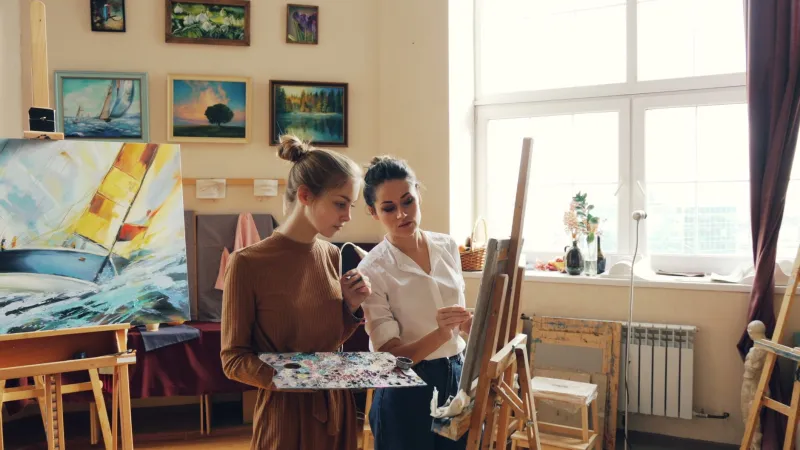
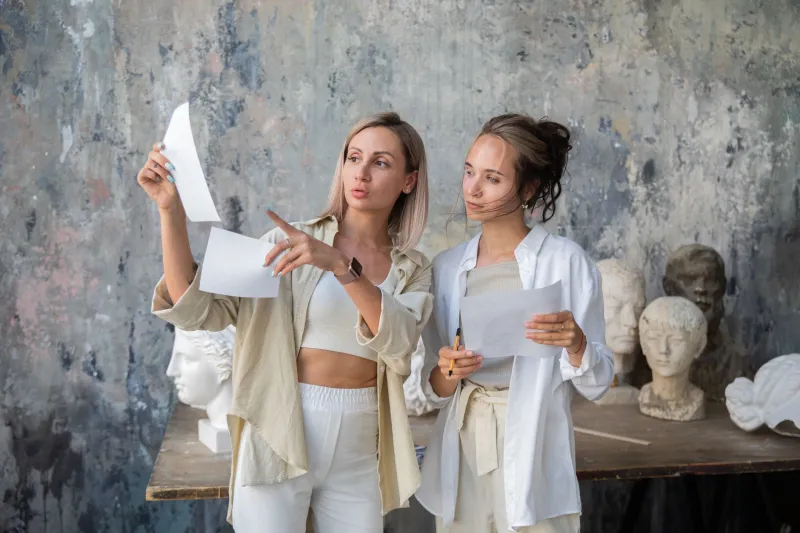
In the absence of formal infrastructure, some members of Austin's art community have begun building their own. Informal peer-mentorship circles have emerged in several East Austin neighborhoods, where groups of artists at varying career stages meet regularly to critique work, share professional advice, and hold one another accountable.
Other practitioners have turned to digital platforms to connect with mentors outside of Austin — a practical solution, though one that some argue reinforces the city's tendency to export its talent rather than retain it.
Perhaps the most promising development is a nascent conversation among several established Austin artists about creating a structured, voluntary mentorship network modeled loosely on programs that have found success in cities like New York and Los Angeles. The concept would pair early-career artists with established practitioners for a minimum six-month commitment, with clear expectations on both sides.
"It has to be intentional," says one artist involved in early planning discussions. "Mentorship doesn't happen by accident in a city this size anymore. You have to build it deliberately."
A Call for Collective Accountability
The mentorship gap in Austin's art scene is not the failure of any single institution or individual. It is, rather, the cumulative result of rapid growth, economic pressure, and a cultural tendency to celebrate individual achievement over communal investment.
Addressing it will require a shared commitment from galleries, institutions, established artists, and arts organizations — a recognition that the strength of Austin's creative community depends not only on the brilliance of its most visible practitioners, but on the health of the entire ecosystem that sustains them.
The artists who define Austin's cultural identity in the next decade are already here, working in shared studios and rented apartments, making ambitious work with limited resources. Whether they find the guidance they need to remain — and to thrive — may ultimately determine what kind of art city Austin becomes.