Unfinished and Unafraid: How Austin Artists Are Turning Creative Transparency Into Their Most Powerful Tool
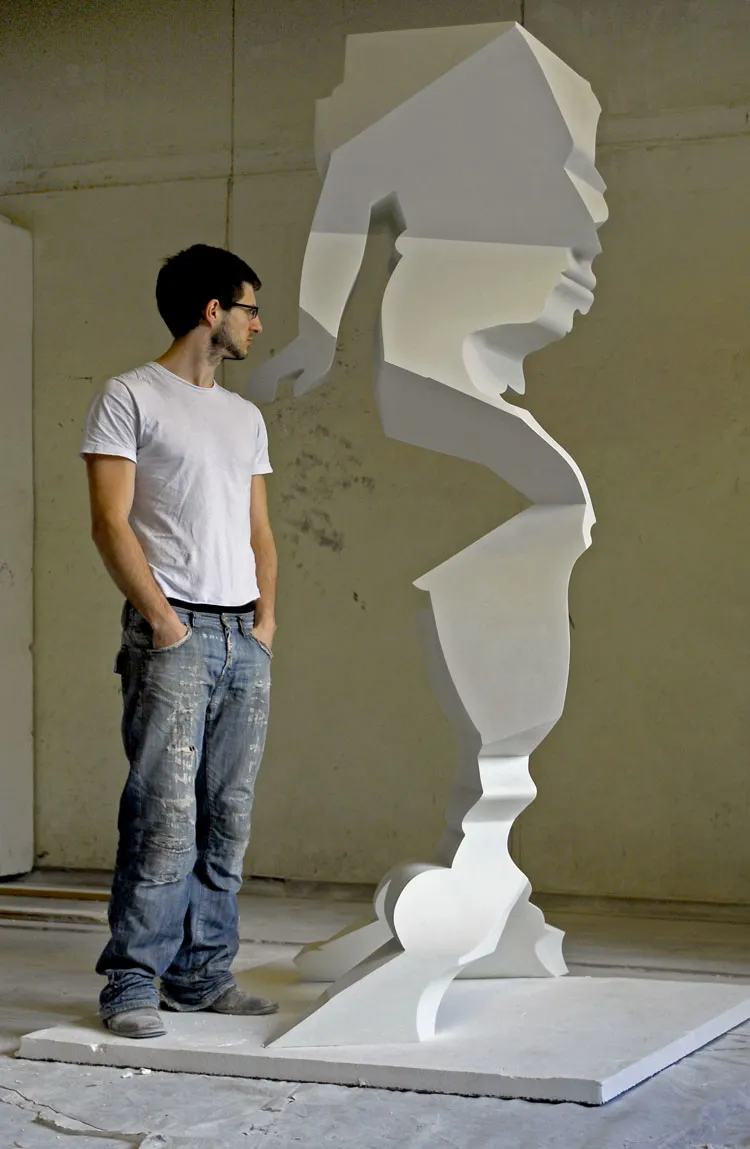
Photo: Thomasfairbairn, CC BY-SA 4.0, via Wikimedia Commons
There is a long-standing tradition in the art world that holds the artist's process as something almost sacred—private, guarded, revealed only in the finished object placed before a viewer. The completed canvas, the mounted installation, the framed print: these were the artifacts through which audiences were invited to engage. What came before them—the false starts, the discarded studies, the late-night second-guessing—belonged to the artist alone.
In Austin, that tradition is being quietly dismantled.
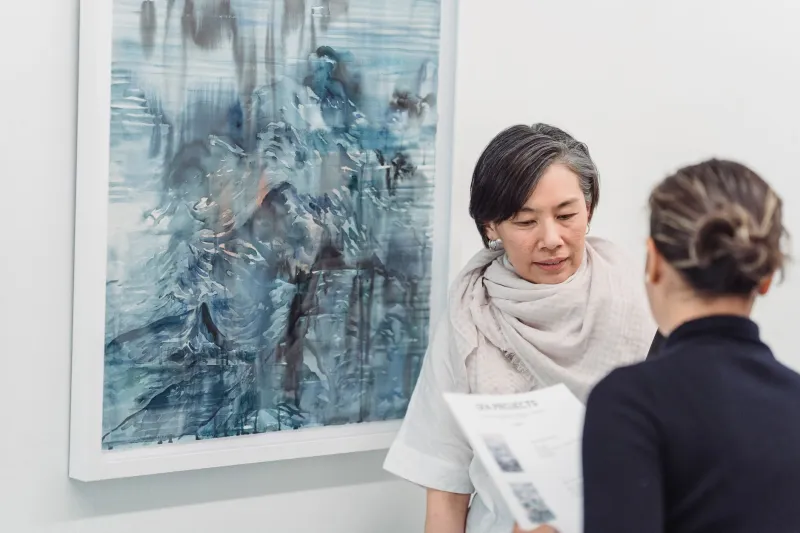
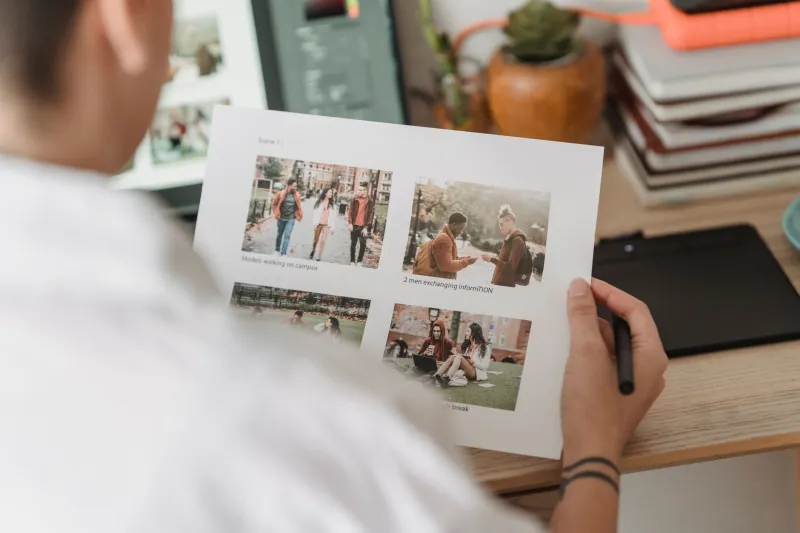
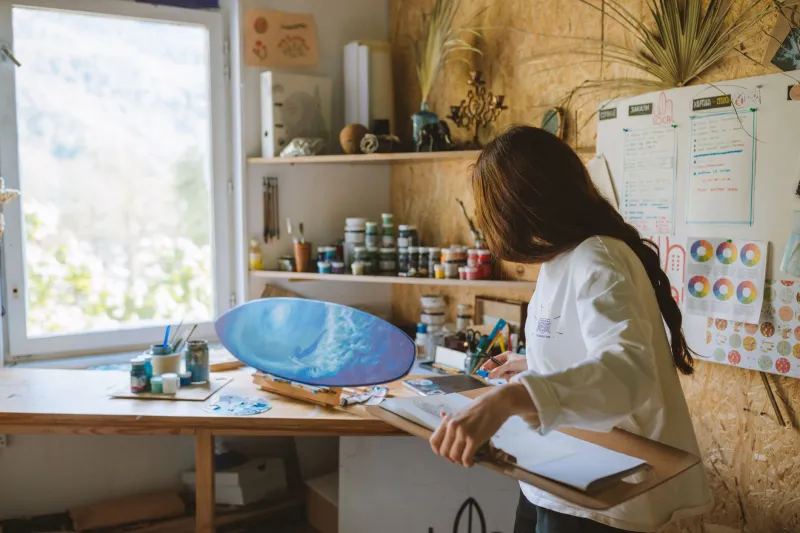
Across the city's contemporary art community, a meaningful shift is underway. Artists are documenting their creative processes with unusual candor, sharing journals, unpolished video diaries, and real-time project updates that pull followers into the studio long before a work is complete. The result is something that transcends conventional art marketing: an ongoing, intimate narrative that transforms passive observers into emotionally invested participants.
The Psychology of the Unfinished
What makes process documentation so compelling is not the polish of the content itself—it is precisely the absence of polish that generates connection. When an artist shares a photograph of a painting that isn't working, or records a brief, unscripted video discussing why a particular direction feels wrong, something psychologically significant occurs. The audience is no longer positioned as a consumer evaluating a finished product. They become a witness to a human being working through difficulty.
This dynamic draws on well-documented principles of social psychology. Vulnerability, when expressed authentically, tends to build trust rather than erode it. For artists navigating an increasingly crowded digital landscape—where curated imagery and carefully worded captions have become the norm—genuine transparency functions almost as a differentiator by default. It is, in a sense, the rarest thing on the internet: an unguarded moment.
Austin's artistic community, shaped in part by the city's culture of creative independence and its longstanding resistance to pretension, has proven to be fertile ground for this approach. Artists here have long prided themselves on a certain directness, and process documentation gives that directness a structured, shareable form.
From Diary Entry to Collector Relationship
The practical implications of this transparency extend well beyond audience engagement metrics. Artists who document their work consistently report that it fundamentally changes the nature of their collector relationships—sometimes before a single sale has been made.
When a collector has followed an artist through the development of a specific piece—has watched the initial sketches, read the reflections on compositional choices, observed the moments of uncertainty and resolution—their connection to the finished work is qualitatively different from that of someone encountering it for the first time in a gallery. The work arrives with a history they were part of. Their investment is not merely financial; it is emotional and narrative.
This phenomenon is particularly pronounced in the context of larger, more ambitious works. An installation that takes months to realize, documented in stages through written and visual updates, becomes almost a collaborative experience for the audience following along. By the time the work is unveiled, a community has formed around it—one that feels a genuine stake in its reception.
The Studio Diary as a Living Portfolio
Beyond its relational value, ongoing creative documentation serves a practical archival function that many Austin artists are beginning to recognize. A sustained record of one's process—maintained over months or years—constitutes a living portfolio that demonstrates not just what an artist makes, but how and why they make it.
For artists seeking institutional support, grant funding, or residency opportunities, this kind of documented creative history can be more persuasive than a traditional portfolio of finished works. It provides evidence of sustained inquiry, of a practice that evolves and responds, of an artist genuinely engaged with ideas rather than simply producing objects.
Curators and arts administrators, for their part, have noted that process documentation often reveals dimensions of an artist's thinking that finished works alone cannot communicate. The connective tissue between ideas—the questions that drive a body of work forward—is frequently more visible in a studio journal than in the work that eventually emerges from it.
Navigating the Risks of Openness
This approach is not without its complexities. Artists who document their process publicly must negotiate a genuine tension: how much uncertainty can be shared before it undermines confidence in the work? When does transparency shade into oversharing, and when does the narrative of struggle begin to overshadow the work itself?
These are not merely rhetorical questions. Artists who have committed to this practice describe a learning curve in determining what to share and what to withhold. The goal is not to perform vulnerability but to communicate it authentically—and that distinction, while intuitive in principle, requires careful calibration in practice.
There is also the question of intellectual property. Sharing work in progress, particularly in the early conceptual stages, carries some risk of idea appropriation. Most artists who document their process have developed informal protocols around what they show and when, protecting genuinely sensitive material while still offering meaningful access.
Intimacy at Scale
Perhaps the most striking aspect of this movement is that it manages to feel intimate even when the audience is large. A process video viewed by thousands retains something of the quality of a private conversation because of the way it is constructed—shot in the studio, spoken in a candid register, unmediated by the conventions of professional content production.
This quality of intimacy at scale is, in many respects, the central achievement of artists who have mastered the studio diary format. They have found a way to extend the kind of connection that once required a physical studio visit to an audience that may be spread across the country or the world.
In Austin's contemporary art scene, where the relationship between artist and community has always carried particular weight, this capacity feels especially resonant. The city has long supported artists who engage directly with their audiences, who make their practice legible to people outside the traditional art world. Process documentation, in this sense, is less a new strategy than a new medium for an old value.
The Work Behind the Work
Ultimately, what Austin artists engaged in creative transparency are offering their audiences is not simply access to a studio. They are offering something rarer: the opportunity to understand what it actually costs to make something meaningful. The false starts, the revisions, the moments of genuine doubt—these are not incidental to the work. They are the work, in a profound sense, made visible.
For collectors, patrons, and anyone who cares about the vitality of contemporary art, that visibility is not a distraction from the finished object. It is the context that makes the finished object matter.