Behind the Closed Door: How Austin Artists Are Turning Private Studio Access Into a Thriving Revenue Stream
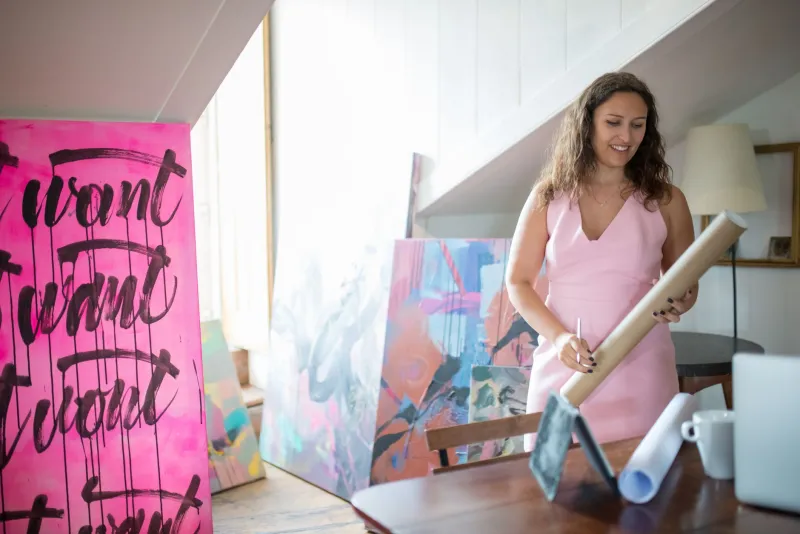
For most of art history, the artist's studio was a sanctuary — a private chamber of experimentation, failure, and eventual revelation. Outsiders were rarely invited in, and when they were, the invitation carried considerable weight. That dynamic is changing in Austin. Across the city's creative districts, from the repurposed warehouses of East Austin to the sun-drenched home studios tucked into South Congress neighborhoods, contemporary artists are deliberately opening their doors — and attaching a price tag to the experience.
The studio visit economy is not a new concept globally, but its emergence as a formalized revenue stream within Austin's art community reflects something particular about this city's creative moment. As gallery representation becomes increasingly difficult to secure, and as digital platforms flatten the distinction between emerging and established artists, the physical studio visit offers something that no online portfolio can replicate: presence, process, and authentic human connection.
The Anatomy of a Modern Studio Visit
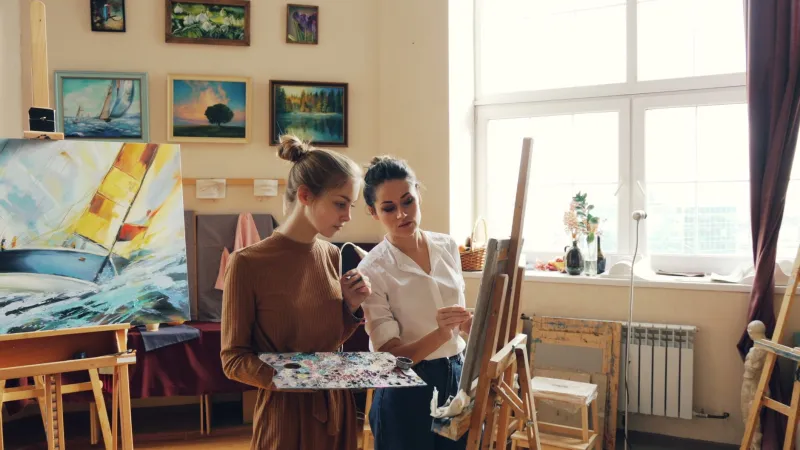
What exactly does a contemporary studio visit look like in Austin today? The answer varies considerably depending on the artist and their intentions. At one end of the spectrum are informal, drop-in open-studio afternoons, often promoted through an artist's social media channels and priced modestly — typically between fifteen and forty dollars per person — as a means of building community and expanding a collector base. At the other end are highly curated private viewings, offered by appointment only, where serious collectors pay several hundred dollars for an extended session that may include a studio tour, a conversation about the artist's current body of work, and the opportunity to view pieces that have not yet been released publicly.
Between these poles lies a rich middle ground: small-group preview events, artist-led workshops, and what some in Austin's creative community are calling "collector cultivation evenings," where wine, conversation, and art commingle in an environment designed to foster long-term relationships rather than immediate transactions.
For many artists, the financial logic is straightforward. A single afternoon hosting four to six visitors at a premium rate can generate income equivalent to a full day of freelance work, without requiring the artist to leave their creative environment. More importantly, the studio visit converts curious admirers into invested participants — people who have seen the work in context, who understand the artist's process, and who are consequently far more likely to make a considered purchase.
What Collectors and Enthusiasts Are Actually Seeking
To understand why studio visits are gaining traction as a paid experience, it is worth examining what draws people to them in the first place. Collectors, particularly those at earlier stages of building a collection, often describe a persistent anxiety about acquiring art: they are uncertain whether they are making sound decisions, whether the work they admire will retain meaning for them over time, and whether they are engaging with the art world on terms that feel authentic rather than transactional.
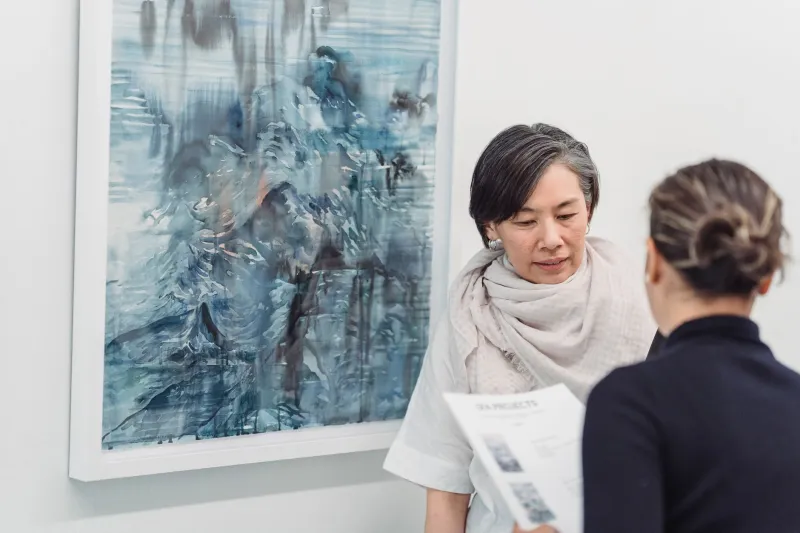
The studio visit addresses all of these concerns simultaneously. Seeing a painting surrounded by the materials that produced it — the particular brand of oil medium on the shelf, the reference photographs pinned to the wall, the abandoned drafts leaning against the baseboard — transforms the artwork from an isolated object into the product of a living, evolving intelligence. Collectors who have participated in studio visits in Austin frequently report that the experience deepened their understanding of works they already owned, and sharpened their instincts for future acquisitions.
For art enthusiasts who may not yet be in a position to purchase, the studio visit offers something equally valuable: direct access to creative thinking. Austin has long cultivated a culture that prizes authenticity and behind-the-scenes access, and the studio visit fits naturally into that sensibility. Many participants describe these visits as among the most intellectually engaging cultural experiences available in the city.
Practical Strategies From Austin's Working Artists
Artists who have successfully integrated studio visits into their income model tend to share several common practices. The first is intentionality in curation. Rather than simply opening the studio and hoping for the best, experienced practitioners treat each visit as a designed experience with a beginning, middle, and end. This might involve selecting which works-in-progress to display, preparing a brief narrative about the current body of work, and identifying two or three pieces that are available for private sale before they appear in any public venue.
The second common practice is tiered access. Many Austin artists now offer multiple levels of studio engagement, allowing them to serve a broad audience without undervaluing their time or compromising the intimacy that makes premium visits worthwhile. A general open-studio event might accommodate twenty visitors over an afternoon, while a private collector preview is capped at four guests and priced accordingly.
Third, and perhaps most consequentially, is the deliberate cultivation of follow-through. The studio visit is not merely a transaction — it is the beginning of a relationship. Artists who treat it as such, following up with personalized notes, offering first access to new work, and maintaining genuine correspondence with visitors, report significantly higher rates of conversion from curious guest to committed collector.
The Tensions Worth Acknowledging
Not every artist in Austin views the studio visit economy with enthusiasm. Some express concern that the monetization of studio access risks transforming the creative workspace into a performance venue, where the pressure to present a coherent and commercially appealing narrative displaces the messier, more honest reality of artistic development. There is something to this critique. The studio has historically been a space where artists are permitted to be uncertain, to pursue ideas that may not resolve, and to work in ways that resist easy explanation.
Others raise questions about equity. Not all studios are equally presentable or accessible, and the ability to host paying visitors depends on having a space that can accommodate guests comfortably — a privilege that is not evenly distributed across Austin's artist community.
These are legitimate tensions, and they do not disappear simply because the economic logic of studio visits is compelling. The artists who navigate this terrain most thoughtfully are those who remain honest with themselves about their motivations, who resist the temptation to stage their studios as sets, and who recognize that the most valuable thing they can offer a visitor is not a polished presentation but a genuine encounter with creative work.
A New Chapter in the Artist-Collector Relationship
What the studio visit economy ultimately represents is a renegotiation of how art moves from maker to audience in Austin. In an era when the traditional gallery model is under considerable pressure, and when collectors are increasingly seeking direct relationships with the artists whose work they acquire, the studio visit offers a compelling alternative infrastructure — one built on transparency, intimacy, and mutual investment.
For Austin's contemporary artists, the door is open. The question now is how thoughtfully, and on whose terms, they choose to invite the world inside.